
Federal Releases Near Hancock County
The official facility review found no Federal Bureau of Prisons institution in Hancock County. The relevant BOP page is therefore a system page, not a profile for a local prison. A federal defendant from Hancock County may be held before judgment through U.S. Marshals arrangements, designated after sentencing to a BOP institution in another location, or placed on federal supervised release after confinement. Each stage leaves records in different places.
Do not treat absence from Hancock County Jail as proof of a BOP release. A federal agency may have assumed custody. Likewise, “not in BOP custody” does not always mean the person is free. It can describe pretrial detention, a contract placement, transfer to another sovereign, or completed imprisonment. A release conclusion should match the BOP locator result to the federal docket and, when relevant, the known holding facility.
| Case stage | Best federal source | What it can establish |
|---|---|---|
| Federal pretrial | PACER and known holding jail | Detention or release order and current routing |
| Federal sentence | BOP Inmate Locator | Institutional custody or released status when supplied |
| Completed imprisonment | BOP locator plus judgment | Displayed release date and sentence context |
| Supervised release | Federal judgment and docket | Community supervision imposed by the federal court |
Search Federal Hancock Release Records
Use the BOP Inmate Locator only for federal prison records. An identifier search accepts a BOP Register, DCDC, FBI, or INS number when available. The name route uses first, middle, and last name with demographic filters. An identifier is the stronger match. If searching by name, compare all available detail and do not identify someone from a common name alone.
- Open the BOP locator and choose identifier or name search.
- Enter the federal number when known; otherwise use the full name and careful filters.
- Review the matching result for location or release status and any release date supplied.
- Compare the result with the sentencing judgment and case number in PACER.
- If the person is not shown in BOP custody, check whether the case remains pretrial or another agency assumed custody.
The manifest's BOP locator capture shows the official federal search route used for release research.
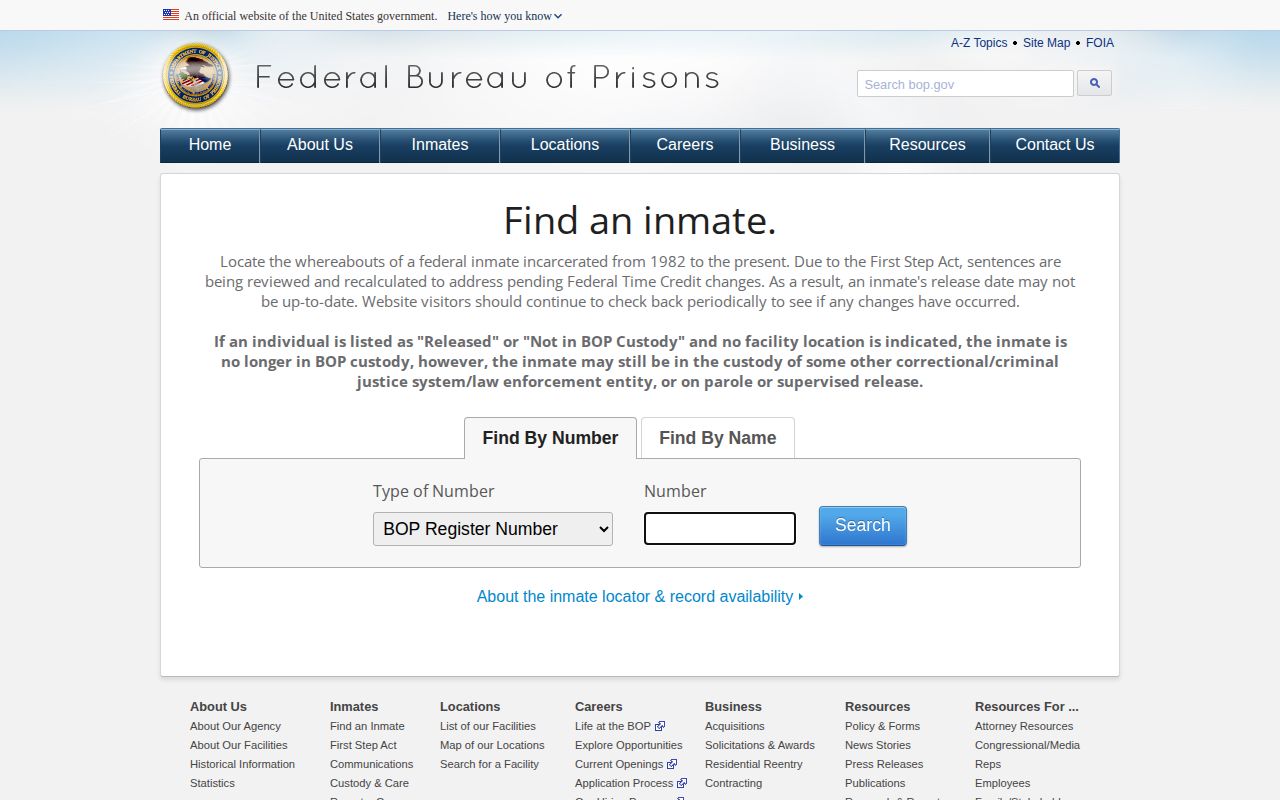
The locator preserves release information for many former federal prisoners, but its result should be read within the correct case and custody history.
Federal Hancock Release Result Fields
The BOP locator supports a search by federal identifier or by name, race, sex, and age. A result may supply a status, location, or release date. Older records and changes in federal sentence law can affect the dates presented in locator context. The sentencing court's judgment and docket remain the authoritative legal history. Save the exact text rather than paraphrasing “not in custody” as a community release.
| Locator item | Use and limit |
|---|---|
| BOP Register number | Provides a stable match within the federal prison system. |
| Name and demographics | Help narrow results but can still produce namesake risk. |
| Location or status | Describes BOP's record, not every sovereign's custody. |
| Release date | Shows the federal date supplied, subject to case context. |
A released federal prisoner may begin supervised release. That is a term of community supervision imposed by the federal court and administered through U.S. Probation. It is not Tennessee parole. Consult the judgment for its length and conditions, and use the docket for later modifications or revocation action.
Note: The Eastern District of Tennessee is the relevant federal district for Hancock County, but venue follows the charged case and can differ.
Federal Hancock Court Release Proof
PACER is the federal court record route for detention orders, judgments, sentence terms, and supervised-release records. It is especially important before BOP designation, when a federal arrestee may be held under U.S. Marshals authority without appearing as a sentenced BOP prisoner. Search the correct federal case by court and docket information. The docket can explain whether release was ordered, detention continued, a sentence was imposed, or supervision followed.
The manifest capture comes from the official PACER service and illustrates the federal court channel that complements the BOP locator.
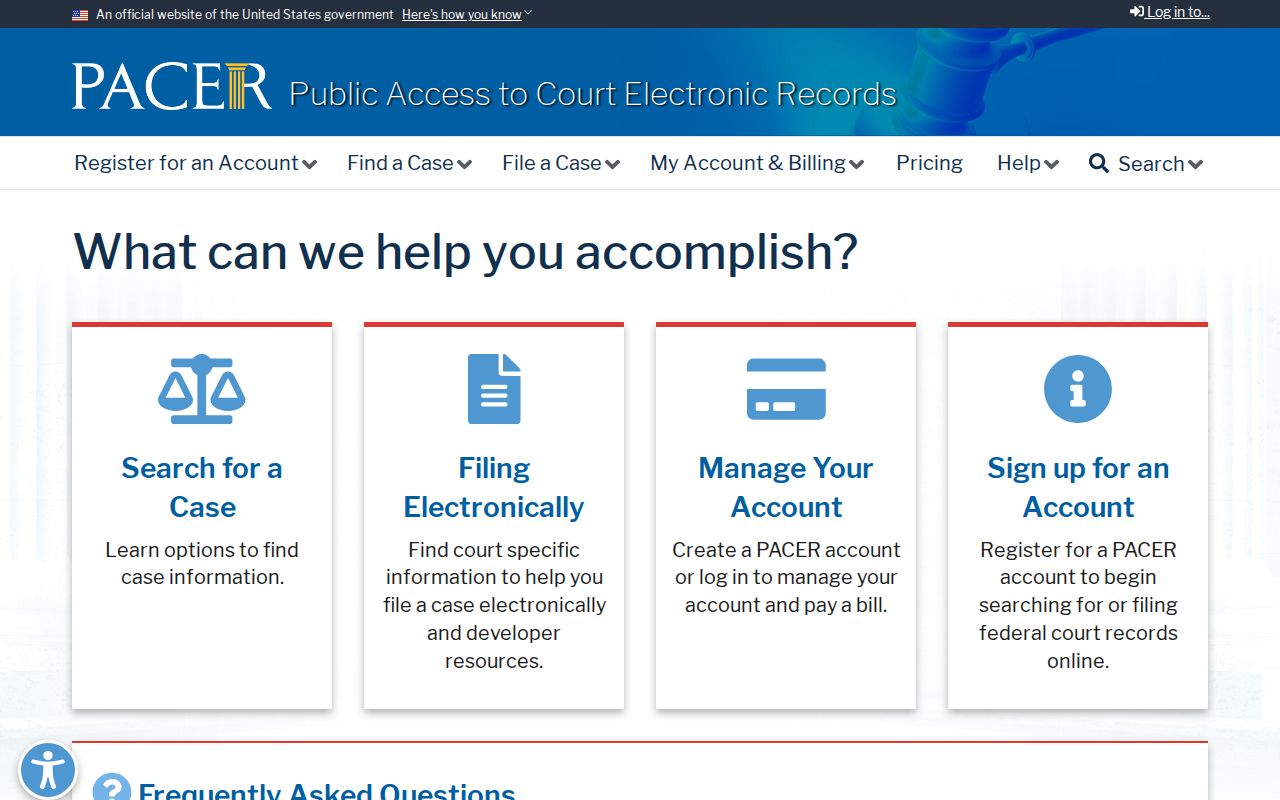
PACER supplies court filings, not a live physical-custody roster. Pair a release or detention order with the agency and facility record that shows where the person actually went.
The date of a court order may precede processing. A judgment can also call for a prison term followed by supervised release. If a local jail says the person left on a federal detainer, ask which agency assumed custody and when. That answer determines whether to follow the U.S. Marshals, BOP, or court route.
Request Federal Hancock Release Records
A locator result may be enough for a quick date check, but a complete record often needs the judgment and agency documentation. Request the federal court judgment and docket entries for the legal sentence. Ask the BOP for available inmate records through its official records process when the prison file, sentence computation, designation, or release documentation is needed. Identify the person with the BOP number and case number when lawfully available.
Keep the request narrow. Specify the release or transfer record sought, the approximate date, and the federal institution if known. A court does not create the BOP gate record, while the BOP does not replace the court's judgment. The two records answer different questions. If the person moved from federal to Tennessee or ICE custody, request the destination information and continue with the receiving agency.
- Judgment
- The federal court document imposing the sentence and supervised release.
- Designation
- The BOP assignment of a sentenced person to an institution.
- Supervised release
- Federal court supervision after imprisonment, distinct from parole.
- Detainer
- A basis for another authority to take custody when one segment ends.
Federal Pretrial Hancock Custody
The U.S. Marshals Service manages federal pretrial and transport custody, often through contracts with jails. It has no public person-name locator comparable to FOIL. A federal defendant can therefore be absent from both a county's public materials and the sentenced-prison locator. Use the federal docket, the defense attorney or court contacts, the known holding jail, and the appropriate Marshals district office.
Once the person is committed and designated to BOP, the BOP locator becomes the correct public federal prison route. Before that point, a no-result should not be called a release. The U.S. Marshals custody page explains the pretrial and contract-holding chain for Hancock-related cases.
Federal Versus Hancock Jail Release
The Hancock County Sheriff records local booking events at New Jail Street. BOP records federal imprisonment. PACER records the federal case. These sources should not be swapped. A person released on local bond may have no BOP history. A person handed to federal authorities has not entered the community merely because the Hancock booking closed.
| Record | Correct question |
|---|---|
| Hancock jail release entry | When and how did the local booking end? |
| BOP locator | What federal prison status or release date is shown? |
| PACER docket | What did the federal court order or sentence? |
| ICE locator | Is recent civil immigration detention shown? |
The Hancock County released inmates overview provides the custody-type decision path when the correct system is not yet clear. Use the booking or court number to avoid drifting between unrelated county, state, and federal cases. The Tennessee Courts Hancock clerk directory identifies local court contacts when a state case preceded the federal matter.
After a Federal Hancock Release
After federal imprisonment, the judgment may place a person on supervised release. The BOP record can show the prison release date, while the court docket explains the continuing federal term. Another sovereign may take custody under a detainer. That custodial handoff is not a community release and should be traced to the state, local, or immigration system that received the person.
A strong confirmation uses at least two records: BOP for the prison event and the federal judgment or docket for its legal context. When another agency follows, add its record. This sequence prevents a true BOP release from being mistaken for release from all custody.